
Framing of New Homes, Apartments, Townhomes, and Buildings
Framing is a critical phase in the construction of any structure, whether it’s a single-family home, an apartment complex, a townhome, or a commercial building. It provides the skeleton that supports the roof, walls, floors, and other structural elements. High-quality framing ensures durability, safety, and a strong foundation for the subsequent construction phases. This comprehensive guide explores the details of framing services, their importance, techniques, materials, and considerations.
What is Framing?
Framing is the process of assembling pieces of wood, metal, or other materials to create the framework of a building. It is typically the first step in the construction process after laying the foundation. The primary objective of framing is to provide structural integrity, shape, and stability to the building.
Framing is categorized into different types based on the structure being built:
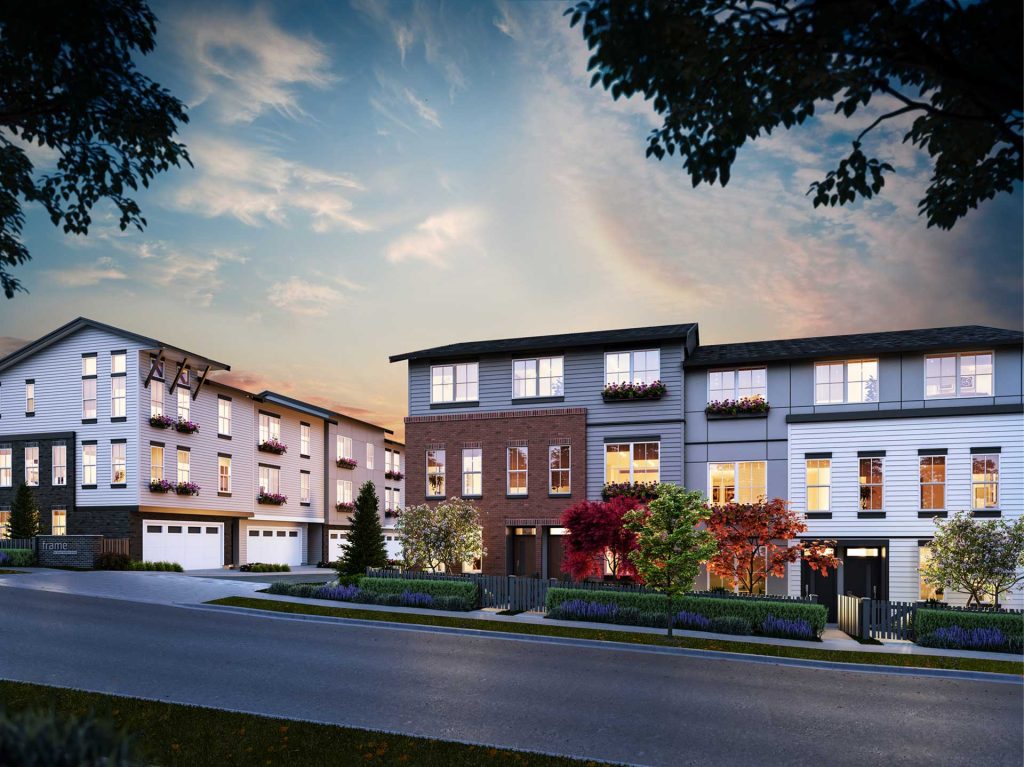
Residential Framing: Used in single-family homes and townhomes.
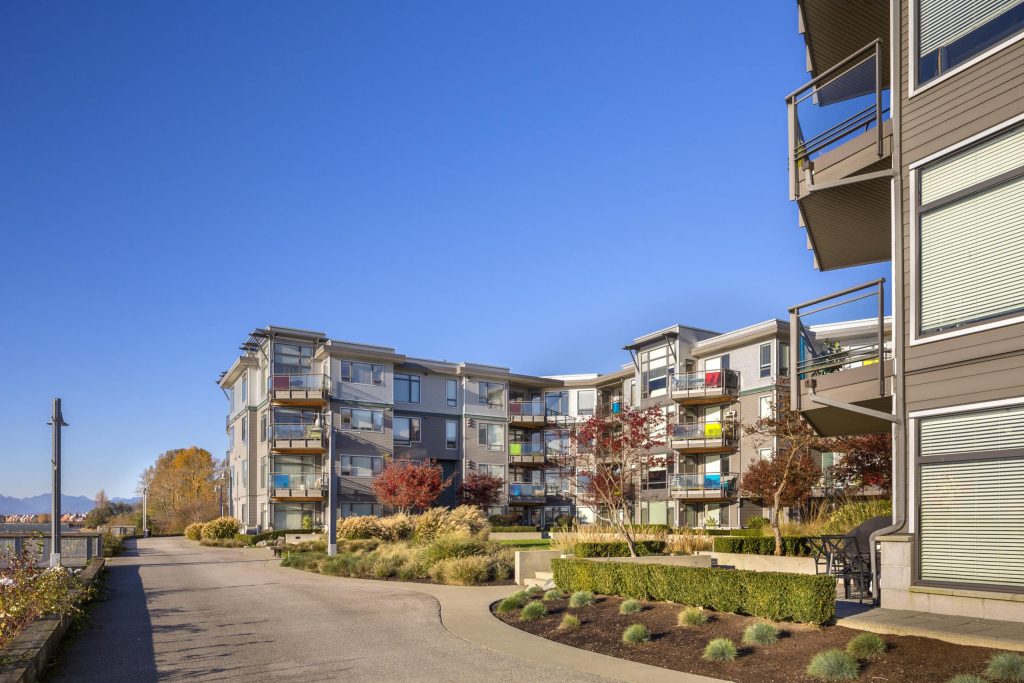
Multi-Unit Framing: For apartments and condominiums.
Commercial Framing: Designed for office buildings, warehouses, and retail spaces.
Importance of Framing in Construction
Structural Stability: Framing provides the necessary support to withstand environmental loads, such as wind, rain, and snow.
Design Blueprint: The framework defines the layout, dimensions, and architectural design of the structure.
Durability: Properly executed framing ensures a long lifespan for the building.
Efficiency: Well-planned framing facilitates easier installation of utilities, such as plumbing, electrical wiring, and HVAC systems.
Framing for Different Structures
Homes and Townhomes
Focus on aesthetic appeal and comfort.
Include customizations such as vaulted ceilings and open floor plans.
Apartments
Ensure structural integrity for multi-level units.
Design for soundproofing and shared walls.
Commercial Buildings
Emphasize strength and load-bearing capacity.
Use steel and concrete for durability.
Framing is the backbone of any construction project, providing the structure and support necessary for a safe and durable building. Whether you are constructing a home, apartment, townhome, or commercial building, investing in high-quality framing services is essential. By understanding the process, materials, and challenges involved, you can ensure a successful project that meets your expectations for safety, aesthetics, and longevity.
Types of Framing in Construction
The choice of framing type is influenced by the building’s purpose, design, and budget. Below are the main types:
Wood Framing
The most traditional and widely used type for residential projects such as homes and townhomes.
Advantages:
- Cost-Effective: Economical compared to other materials.
- Ease of Use: Lightweight and simple to cut, assemble, and repair.
- Availability: Readily available in various sizes and grades.
- Insulation: Offers natural thermal insulation.
Steel Framing
Used extensively in commercial construction and high-rise buildings but also gaining popularity in residential applications.
Advantages:
- Durability: Resistant to rot, pests, and moisture damage.
- Fire Resistance: Non-combustible material.
- Precision: Prefabricated components ensure accurate assembly.
Concrete Framing
Typically used in large commercial projects or buildings requiring extreme durability.
Advantages:
- Strength: High load-bearing capacity.
- Weather Resistance: Impervious to most environmental factors.
- Longevity: Minimal maintenance and high durability.
Hybrid Framing
Combines multiple materials, such as wood and steel, to leverage the strengths of each. This is common in mixed-use buildings where different parts of the structure serve distinct purposes.