

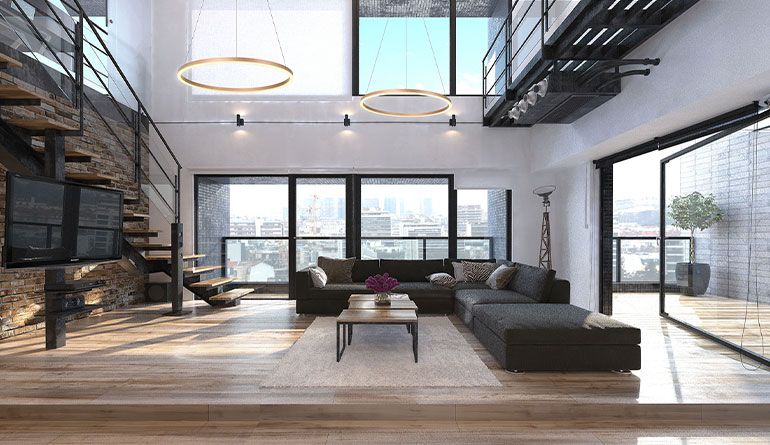
Interior design is the process of planning and styling the interior spaces of a building to enhance functionality, aesthetics, and the overall atmosphere. Whether it’s for residential, commercial, or public spaces, interior design considers the layout, furnishings, color schemes, lighting, and materials to create environments that are both practical and visually appealing.
The interior design process begins with understanding the needs and lifestyle of the occupants. In residential design, this means tailoring spaces to suit family dynamics, comfort, and personal tastes. For commercial or office spaces, the focus may be on improving productivity, creating an inviting atmosphere for clients, or designing functional workspaces.
Key elements of interior design include furniture selection, space planning, lighting, color schemes, and the use of textures. Space planning involves organizing furniture and fixtures in a way that maximizes the utility of the space while maintaining an aesthetically pleasing flow. The choice of furniture should complement the style and function of the space, whether it’s minimalist, modern, traditional, or eclectic.
Color schemes are another vital aspect, as colors have the power to influence mood and perception of space. Lighter colors can make a room feel larger and more open, while darker tones create a sense of warmth and intimacy. Additionally, lighting plays a crucial role in setting the right ambiance. Designers often combine ambient, task, and accent lighting to create balance and highlight specific features of the room.
Materials and textures also significantly impact the interior design. High-quality finishes on flooring, countertops, and cabinetry elevate the space, while fabrics for upholstery and curtains add softness and style.
Overall, interior design is about creating spaces that are both beautiful and functional, enhancing the quality of life for those who use them.