
Landscaping is a crucial component of construction that involves designing and modifying the outdoor environment to enhance the appearance, functionality, and sustainability of a property. It encompasses a wide range of elements, from plant selection and garden design to hardscaping features like patios, walkways, and retaining walls. Landscaping plays a significant role in creating a welcoming and visually appealing exterior, improving the aesthetic value of both residential and commercial properties.
The landscaping process begins with assessing the site’s characteristics, such as climate, soil type, and topography. These factors will influence the types of plants and materials that can thrive in the area. For example, drought-tolerant plants are ideal for arid climates, while lush, green plants may be more suitable for areas with regular rainfall. Proper soil preparation and irrigation systems are key to ensuring plant health and reducing maintenance.
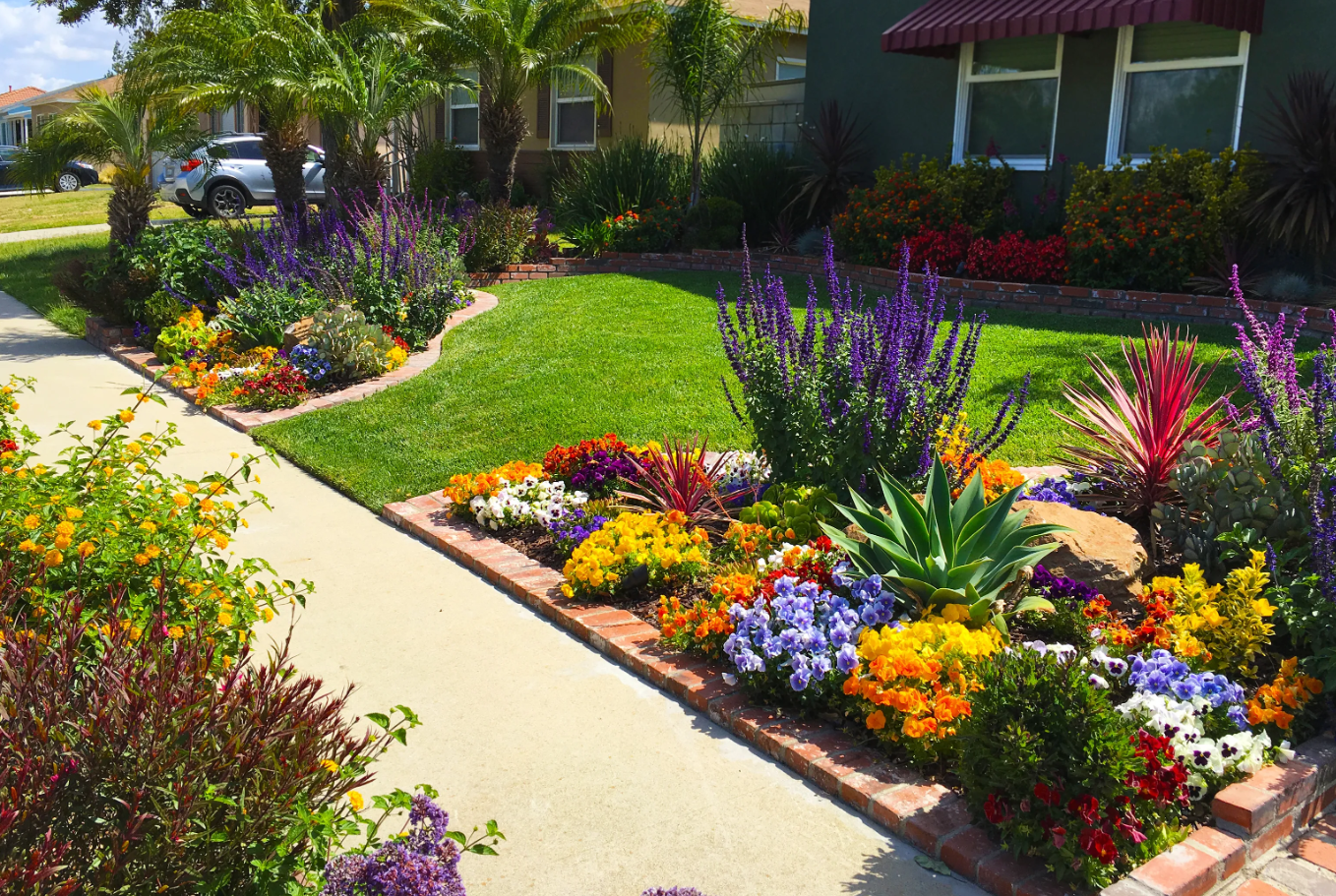
The design phase involves creating a layout that balances different elements such as trees, shrubs, flowers, and grass. Planting design should complement the architecture of the building, with attention paid to color schemes, height, and seasonal interest. Trees and shrubs can provide shade, privacy, and wind protection, while flower beds and ground covers add beauty and texture.
Hardscaping features, such as walkways, patios, decks, water features, and fences, are integral parts of landscaping. These elements improve the functionality of outdoor spaces, providing areas for recreation, relaxation, and entertainment. Additionally, incorporating sustainable practices such as rain gardens, permeable pavers, or xeriscaping can enhance water efficiency and reduce environmental impact.
Incorporating professional landscaping into construction projects not only boosts curb appeal but can also increase property value and create an outdoor environment that complements the building’s overall design.