
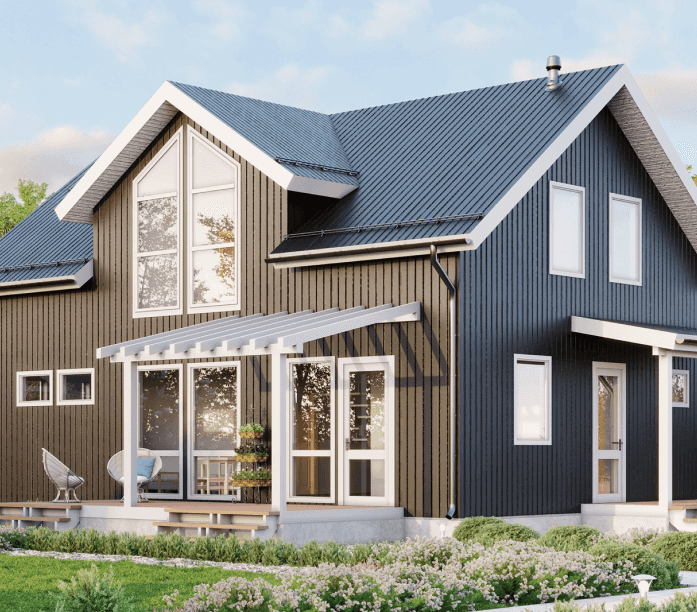
Exterior design is the process of planning and creating the outward appearance of a building, including architectural elements, landscaping, and materials. The exterior of a building plays a critical role in first impressions, functionality, and energy efficiency, contributing to both the aesthetic value and the overall performance of the structure. In residential and commercial construction, exterior design reflects the personality and style of the property, whether it’s traditional, modern, or somewhere in between.
The first step in exterior design is defining the building’s architectural style, which will guide the choice of materials, colors, and finishes. Common materials used for exterior walls include brick, wood, stucco, vinyl siding, stone, and metal. Each material offers different benefits such as durability, maintenance requirements, insulation properties, and aesthetic appeal. For example, stone and brick are known for their durability and classic appearance, while wood or metal panels can give a modern or industrial look.
Windows and doors are integral parts of exterior design, providing natural light and access while contributing to the building’s style. The size, shape, and placement of windows can influence the building’s overall energy efficiency, as well as the interior ambiance. Roofing materials, such as asphalt shingles, tiles, or metal, also play a significant role in exterior design, affecting both the aesthetic and performance in terms of weather resistance and energy conservation.
Landscaping complements the exterior design by enhancing the curb appeal. This includes elements like lawns, gardens, walkways, patios, or decorative features such as fountains or statues. The choice of plants, trees, and outdoor furniture should complement the building’s architectural style and create a welcoming atmosphere.
A well-thought-out exterior design is not only visually appealing but also adds value, functionality, and longevity to the property.