
Drywall and insulation are essential components of modern building construction, playing a key role in both the structural integrity and comfort of a building. These materials are primarily used in the interior construction of walls and ceilings, helping to create finished surfaces and providing energy efficiency.
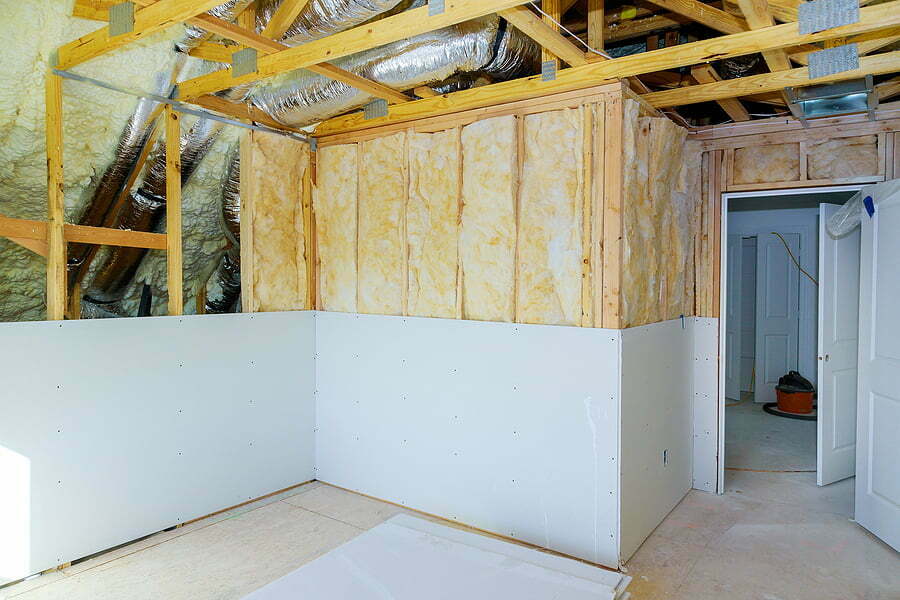
Drywall is a versatile material made of gypsum plaster sandwiched between two layers of thick paper. It is commonly used to create interior walls and ceilings due to its cost-effectiveness and ease of installation. Drywall sheets are available in various thicknesses, typically 1/2-inch or 5/8-inch, with the thicker version being used for areas that require extra soundproofing or fire resistance. Once installed, drywall is taped, mudded (with joint compound), sanded, and painted, providing a smooth, seamless surface for the interior of the building.
Insulation, on the other hand, is used to control temperature, improve energy efficiency, and reduce noise. It is installed between the studs or joists before drywall is put up. Insulation materials can vary, including fiberglass batt insulation, spray foam, cellulose, and rigid foam boards. The type of insulation used depends on the area being insulated (e.g., walls, attics, or basements) and local climate conditions. Insulation works by trapping air within its fibers, reducing heat transfer and providing a thermal barrier.
Together, drywall and insulation create a comfortable, energy-efficient living or working environment. Proper insulation helps reduce heating and cooling costs by minimizing heat loss or gain, while drywall provides a smooth, durable surface that can be easily maintained and finished to suit various design preferences.